Private Jet to Sardinia
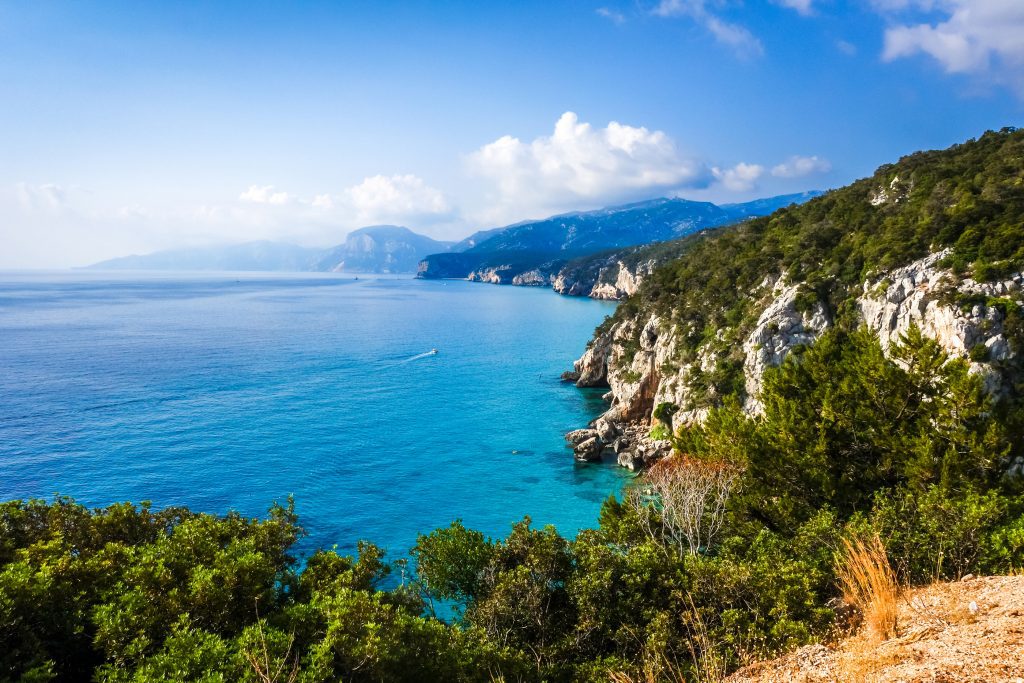
There are plenty of Mediterranean islands worth visiting, but Sardinia has a character that’s entirely its own. It’s Italian without feeling quite like mainland Italy. Parts of it are glamorous, particularly around Porto Cervo, while other stretches of coastline remain surprisingly quiet, even in summer.
It’s also a large island. You can spend a week here and feel as though you’ve only explored one corner. That variety is one of its strengths.
If you’re flying privately, you can choose the airport that works best for your plans rather than where the airlines happen to fly. Olbia is ideal for the Costa Smeralda, Alghero opens up the north-west and Cagliari gives easy access to the south.
Where should you stay?
The answer depends entirely on the sort of holiday you’re after.
Costa Smeralda
The north-east coast is Sardinia’s best-known address. Porto Cervo has become synonymous with superyachts, elegant hotels and waterfront restaurants, yet it’s surprisingly relaxed once you step away from the marina.
There are dozens of beaches within a short drive, ranging from long sandy bays to small coves tucked between granite rocks. Many villas are set into the hills, giving easy access to both the coast and the countryside.
If you’re meeting friends on a yacht or spending time between restaurants, beach clubs and the water, this part of the island makes perfect sense.
Southern Sardinia
The south has a different feel altogether.
Around Chia and Villasimius you’ll find long beaches backed by dunes, clear water and a little more breathing space. The resorts are generally lower key than those in the north-east, making them popular with families and couples who want excellent beaches without the bustle of a busy marina.
Cagliari itself is well worth exploring. It’s a proper city rather than a resort, with lively squares, historic streets and plenty of restaurants where locals outnumber visitors.
Alghero and the North West
Alghero is one of Sardinia’s most attractive towns. Its Catalan history is still evident in the architecture, street names and local traditions, giving it a different atmosphere from elsewhere on the island.
The old town is compact enough to explore on foot, while the surrounding coastline offers excellent swimming, dramatic cliffs and boat trips to the Neptune Caves.
Beyond the beaches
Sardinia isn’t somewhere you need to spend every day beside the sea.
The interior is dotted with vineyards, mountain villages and archaeological sites, including the island’s famous nuraghi – mysterious stone towers that date back more than 3,000 years. They appear all over Sardinia and remain one of Europe’s most remarkable prehistoric landscapes.
The roads are also part of the attraction. Inland routes wind through forests and mountains before dropping back towards the coast, making a day’s drive every bit as enjoyable as a day on the beach.
Getting out on the water
However you choose to spend your time ashore, it’s worth setting aside at least one day on the water.
Chartering a boat gives you access to beaches and coves that are difficult to reach by road, particularly around the Maddalena Archipelago, where the water is exceptionally clear and many anchorages remain wonderfully peaceful outside the busiest weeks of August.
For those continuing by yacht, Sardinia also sits perfectly between mainland Italy, Corsica and the French Riviera.
Sardinian food
The food reflects the island’s geography.
Seafood naturally dominates the coast, but inland you’ll find slow-cooked meats, handmade pasta, local pecorino cheeses and traditional breads that have been baked here for generations.
Don’t overlook the local wines either. Vermentino is produced across the island and pairs perfectly with seafood, while Cannonau remains one of Italy’s best-known red wines.
As with much of Italy, the best restaurants are often the least conspicuous. A family-run trattoria in a small village can easily become one of the highlights of the trip.
Try some of the below specialities:
- Culurgiones: Unique, hand-crimped ravioli stuffed with a creamy blend of pecorino cheese, potato, and mint.
- Porceddu: A traditional Sardinian spit-roasted suckling pig, intensely flavored with wild myrtle.
- Pane Carasau: The local “sheet music bread”—a very thin, crispy flatbread, often served with a drizzle of olive oil and salt (or soaked in broth for pane frattau).
- Malloreddus: Gnocchi-shaped pasta traditionally served with a rich sausage and tomato ragù.
- Seadas: A decadent dessert featuring a deep-fried pastry pocket filled with tart pecorino cheese, drenched in local honey.
- Bottarga: Cured and dried grey mullet roe, shaved thinly over seafood pasta.
Wine: Pair your meals with crisp, dry Vermentino (white) or a bold Cannonau (red).
When to visit
May and June offer warm weather without the peak-season crowds.
July brings a livelier atmosphere and long evenings.
August is when Sardinia can be busy, particularly around Costa Smeralda, so booking accommodation, restaurants and flights well in advance is sensible.
Many regular visitors favour September. The sea is still warm, daytime temperatures remain comfortable and the island settles into a gentler pace after the summer holidays.
Flying privately to Sardinia
Private aviation makes an island like Sardinia particularly easy to enjoy. Rather than planning your holiday around airline routes and schedules, you can fly into the airport closest to your villa, hotel or yacht and arrive when it suits you.
Whether you’re heading for Costa Smeralda, the quieter beaches of the south or meeting friends on the water, the journey becomes part of a well-planned holiday rather than the part you simply have to get through.
Contact the team at Admiral Jet to make your travel arrangements to Sardinia

VIP Ground Transport
Find out more
Helicopter Charter
Find out more
Airline Charter
Find out more
Corporate Charter
Find out more
Crew Movements
Find out more
Cargo Charter
Find out more
Commuter Aircraft
Find out more